
7 Best Generix TMS Competitors and Alternatives in 2026
Sorted by which part of Generix you actually need: the suite, the TMS or the carbon reporting. If road freight is the whole problem, you shouldn't buy twenty modules to reach one.


Bring structure, visibility, and compliance to your transport operations


Summary
Generix DDS TMS is a capable, multimodal transport system, but it's sold as one module inside a 20+ module suite. If your transport still runs partly in spreadsheets and road freight across CEE is the real problem, you may be buying a suite to reach one module. This guide compares seven alternatives by what you actually need from Generix: the suite, the TMS or the carbon reporting. It also covers pricing, e-Transport/UIT and e-CMR compliance, and go-live time.
Generix will show you twenty-something modules in the first demo. Warehouse management, yard, labor, EDI, e-invoicing, order management, omnichannel checkout, and somewhere inside all of it a transport management system called Generix DDS TMS.
That breadth is the product. It is also the question worth asking early. A shipper whose problem spans warehouse, transport, and B2B data flows is looking at a genuine one-vendor answer. A shipper whose problem is road freight across one or two countries is buying a suite to reach one module.
Six alternatives below, picked for that split, with an honest read on where each one wins.
TL;DR
- Generix DDS TMS is a real TMS, not a checkbox. It is multimodal, covers planning through settlement, carries carbon measurement, and Generix was recognised in the 2025 Gartner Europe Context Magic Quadrant for TMS.
- The TMS arrived through the DDS acquisition in 2023, which is why the product still carries the DDS name.
- Shippers look elsewhere because of scope and motion. Generix sells a suite through an enterprise conversation, and the business case depends on how many of the other modules you want.
- Deliwell is the focused road-freight answer for mid-market EU shippers, with native Romanian e-Transport and e-CMR included.
- Cargoson is the price-transparent option, and one of the few publishing real figures.
- Bluerock TMS and Cargoson are the two credible answers if carbon and CSRD reporting is what pulled you to Generix in the first place.
- AEB is the other suite answer, with customs depth instead of commerce depth.
- Akanea is worth checking carefully, because it was built primarily for carriers and forwarders.
- Transporeon is the enterprise reference point when carrier network scale is the deciding factor.
Comparing a suite against a focused product? Deliwell will map your actual transport scope in a 45 to 60 minute session and tell you which of the two you are really buying. Book a demo.
Generix TMS Competitors Compared
What Does Generix TMS Do Well?
Worth being specific, because a fair comparison starts with what the incumbent is genuinely good at.
The lifecycle coverage is complete. Planning handles order splitting on configurable rules, grouping, load optimisation, mode and means selection, route optimisation, dynamic scheduling and multi-leg movements. Booking covers owned, leased and virtual fleets, carrier selection weighted on cost, service and CO₂, and spot quotation both privately and through platforms. Execution runs carrier appointments, documents, hazard management, a driver app, tracking and customer visibility, multi-language and multi-currency. Settlement does purchase and sale valuation, cost breakdown, pre-invoicing, invoice reconciliation, performance measurement and tender preparation.
Sustainability is a genuine pillar rather than a marketing line. Carbon impact measurement sits in settlement, environmental criteria feed carrier selection, and the product talks about mutualisation and modal shift as levers. If a CSRD obligation is driving your evaluation, this is a real reason Generix is on your list.
The suite is the other real advantage. Generix WMS was placed in the 2026 Gartner Magic Quadrant for Warehouse Management Systems, and the portfolio runs to yard management, labour management, carrier and 3PL portals, EDI, e-invoicing, AP automation and omnichannel commerce. The company reports 3,500+ clients across 60+ countries with 800+ employees and over $100M in annual revenue, so the scale is there to support it.
Why Do Shippers Look for Generix TMS Alternatives?
Four reasons come up, and none of them is a complaint about the software.
The suite is the value case. Generix DDS TMS is priced and sold as part of a portfolio. A shipper who wants transport and nothing else spends the evaluation explaining what they do not need.
The centre of gravity is France and Southern Europe. The strongest footprint is France, Iberia and Italy. Generix has a Romanian R&D centre in Cluj-Napoca, opened in 2020, which is engineering presence rather than local market coverage, and RO e-Transport is not presented as a TMS capability on its public pages.
The buying motion is enterprise. Contact-an-expert throughout, no published pricing, and a sales cycle sized accordingly. A mid-market team with a compliance deadline in eight weeks feels that.
The product has been through acquisitions. DDS came in 2023 and Keyneo in 2024, on top of Infolog, Sologlobe and others before that. Integration across acquired products is a fair question to ask in a demo, and asking it is not hostile.
What Kind of Generix Alternative Do You Need?
Three different readers land on this page, and the right answer differs completely.
You wanted the suite. Warehouse, transport, EDI and invoicing from one vendor is the actual goal. Your alternatives are other suites, and the comparison is about which modules are deep and which are thin.
You wanted the TMS. Road freight is the problem and the other nineteen modules are noise. Your alternatives are focused transport platforms, and you should expect faster go-live and clearer pricing.
You wanted the carbon reporting. CSRD is driving the project and Generix surfaced because sustainability is on its front page. Your alternatives are whichever platforms actually measure and report emissions, which is a shorter list than vendors imply.
Deliwell: Best Generix TMS Competitor for Mid-Market CEE Shippers
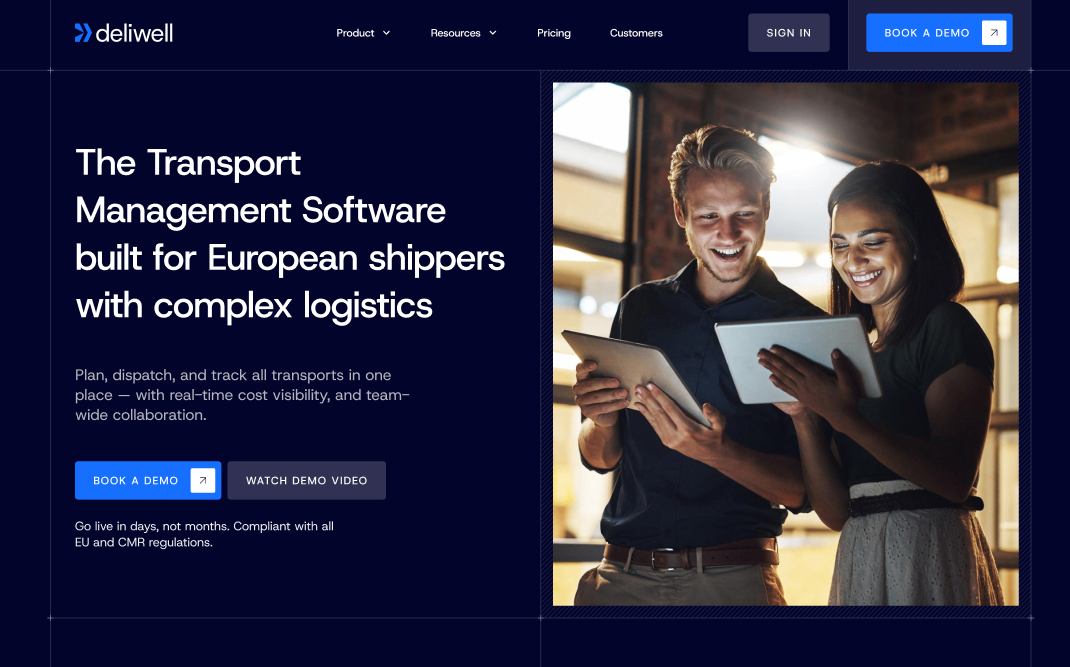
Deliwell is a road-freight TMS for mid-market European shippers, covering planning, allocation, dispatch, tracking, documents, compliance, invoice validation and KPIs. It is the focused-product answer to the suite question, and it is built around Central and Eastern European compliance in a way the French and DACH vendors are not.
Strengths:
- Native Romanian e-Transport with direct ANAF API integration, generating UIT codes from transport order data already in the system.
- e-CMR generated, signed by sender, carrier and recipient, and archived in-platform, included in the standard subscription.
- Cross-department design connecting sales, purchasing, warehouse, finance and logistics on the same transport data, rather than connecting logistics to carriers only.
- Carrier portal on token access with no software for carriers to install, and carrier onboarding handled by Deliwell.
- Invoice auto-validation against contracted or quoted rates, with cost centres assigned at order level.
- REST API and EDI, validated with SAP, Oracle, Microsoft Dynamics and Navision.
- Standard go-live measured in days, with the first transport request possible inside 30 minutes of account creation. ERP integration adds time.
- Published entry pricing, which is unusual in this category.
Shortcomings:
- No carbon or CSRD reporting today. If emissions measurement is the reason Generix is on your shortlist, Deliwell does not currently answer it and you should weigh that seriously.
- Road-first. Air, sea and rail are handled as the road leg and last mile of intermodal flows, on an all-in costing basis only, so there is no multimodal parity with Generix.
- No WMS, yard management or labour management. If you wanted the suite, this is the wrong shape of product.
- Under 50 shipments a month it is more platform than the operation needs.
- Five or more GPS providers makes integration disproportionately complex.
- Specialised freight such as liquid, gas, petroleum, dairy and live animals is out of scope.
- No self-serve trial. Evaluation runs through a demo or a structured POC.
Pricing: Starting at €250/month. Contact Deliwell for a custom pricing proposal tailored to your needs. +100 mid-market shippers run on the platform, including Stihl, Sonepar and Frigoglass.
How Does Deliwell Compare to Generix TMS?
Narrower and faster. Generix gives you multimodal depth, carbon measurement and a warehouse-to-commerce portfolio. Deliwell gives you road freight with CEE regulatory work already done and a go-live measured in days. The choice is genuinely about scope rather than quality, and a shipper with a French warehouse footprint and a CSRD deadline should probably stay with Generix.
Worth an hour if road freight is the whole problem. Deliwell runs a 3-week POC on a defined route cluster or business unit, measuring against your current baseline. Talk to the team.
Cargoson: Best Generix TMS Competitor for Price Transparency
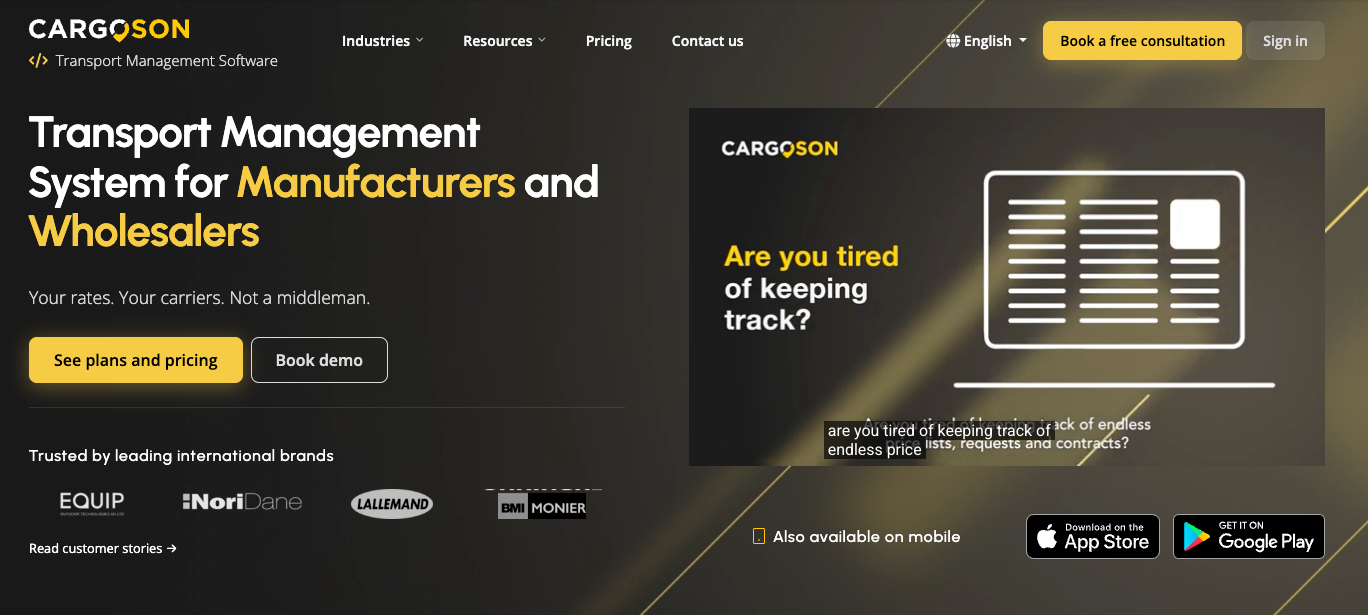
Cargoson is an Estonian shipper-side TMS founded in 2018, aimed at manufacturers across CEE and the wider EU. It is the most directly comparable focused alternative on commercial terms, largely because it is one of the few vendors in this category that publishes them.
Strengths:
- Fully published pricing with tier-by-tier feature comparison, which removes the discovery-call tax entirely.
- CO₂ reporting included from the Standard tier, which makes it a real answer for teams that came to Generix for sustainability.
- Automatic CMR generation from the entry tier.
- All transport modes from Standard, covering road, air, sea and rail.
- Transport pricing engine with price list upload and comparison, plus lead time calculation.
- API access and webhooks from the Advanced tier, with structured onboarding and go-live support.
- Enterprise tier adds SSO, seven-year audit log retention and multiple company accounts.
Shortcomings:
- Romanian e-Transport is not presented as a capability, which matters if you have a Romanian entity.
- Shipment volumes are metered by tier, so a manufacturer running well past 3,000 shipments a month lands in a custom conversation anyway.
- Pricing is quoted in US dollars, which introduces currency exposure for a euro-denominated budget.
- The transport pricing engine is a paid add-on at the Basic tier.
Pricing: From $199/month billed annually for Basic with 2 users and 100 shipments. Standard from $399/month with 5 users and 1,000 shipments. Advanced from $599/month with 10 users and 3,000 shipments. Enterprise from $1,000/month.
How Does Cargoson Compare to Generix TMS?
Cargoson answers the transport question without the suite. Generix answers a wider set of questions and asks you to book a call to find out what that costs. For a manufacturer whose scope is transport, Cargoson lets you build the business case before the first meeting, which is a real advantage.
Bluerock TMS: Best Generix TMS Competitor for Enterprise Multimodal Operations
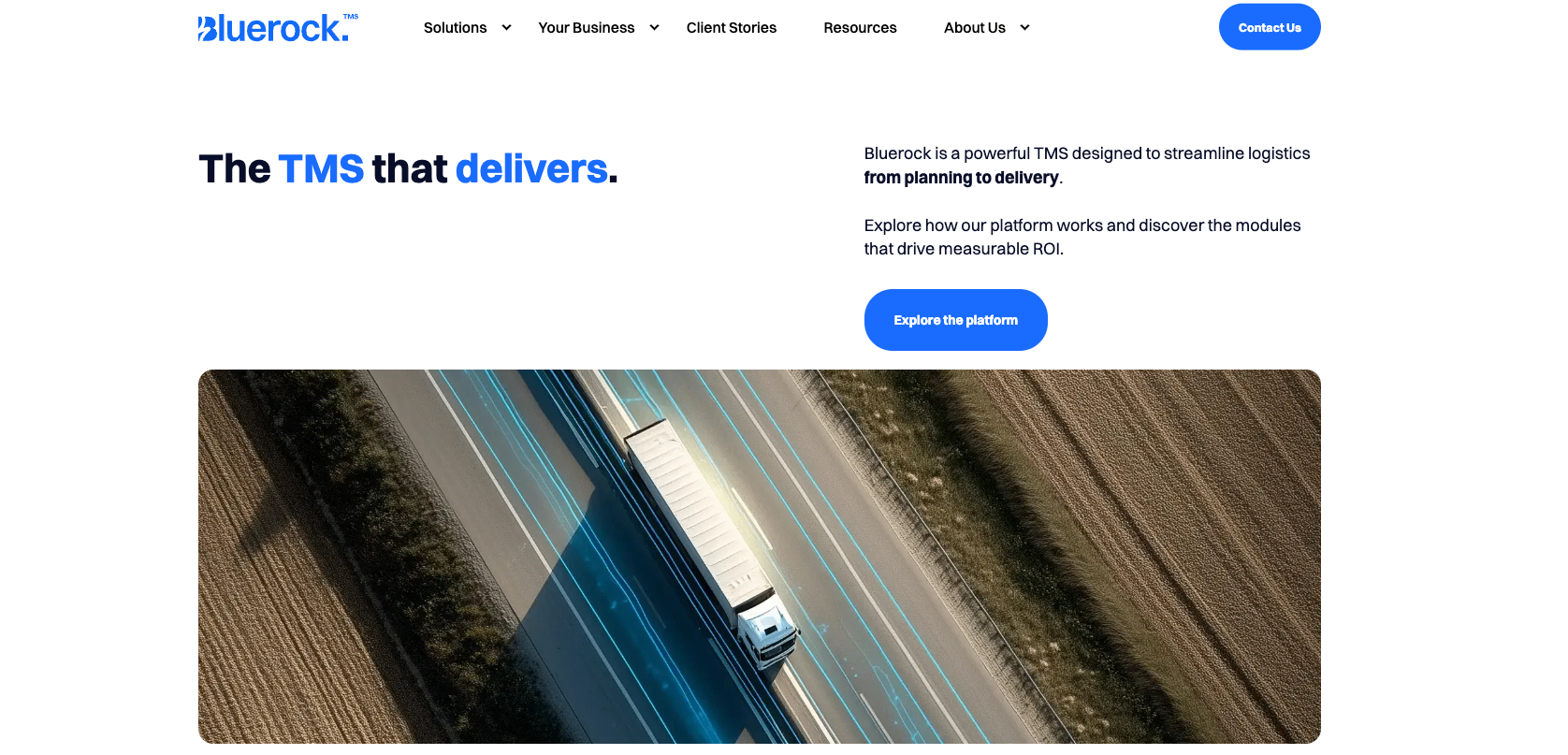
Bluerock TMS is a cloud-native platform unifying planning, execution and settlement, positioned as a global enterprise TMS and appearing in Gartner's 2026 TMS coverage. It serves shippers, 3PLs and logistics providers across seven verticals including manufacturing, consumer and retail, life sciences and pharma, energy and utilities, public sector, and environmental and waste management.
Strengths:
- Full planning-to-settlement coverage in one cloud-native platform, which is the closest structural match to Generix DDS TMS in this lineup.
- Emissions reduction through route optimisation and delivery consolidation, positioned as a sustainability capability.
- Integrated analytics centralising supply chain data to surface network inefficiencies.
- Broad vertical coverage, including regulated sectors like pharma and public sector work.
- Subscription pricing structured by user or by shipment volume, with tiers scaled to organisation size, per Capterra listings.
Shortcomings:
- Positioned at the enterprise end, so a mid-market shipper is buying at the top of the range rather than the middle.
- Nordic and Northern European strength, with thinner CEE coverage.
- No published pricing, so the tier structure has to be confirmed in a quote.
- Romanian e-Transport is not presented as a capability.
How Does Bluerock TMS Compare to Generix TMS?
Both are cloud-native, multimodal and sustainability-forward. The difference is focus. Bluerock is a transport platform without the warehouse, EDI and commerce portfolio, so it is a cleaner comparison if you want depth in transport and nothing bundled around it.
AEB: Best Generix TMS Competitor for Customs-Heavy Multinationals
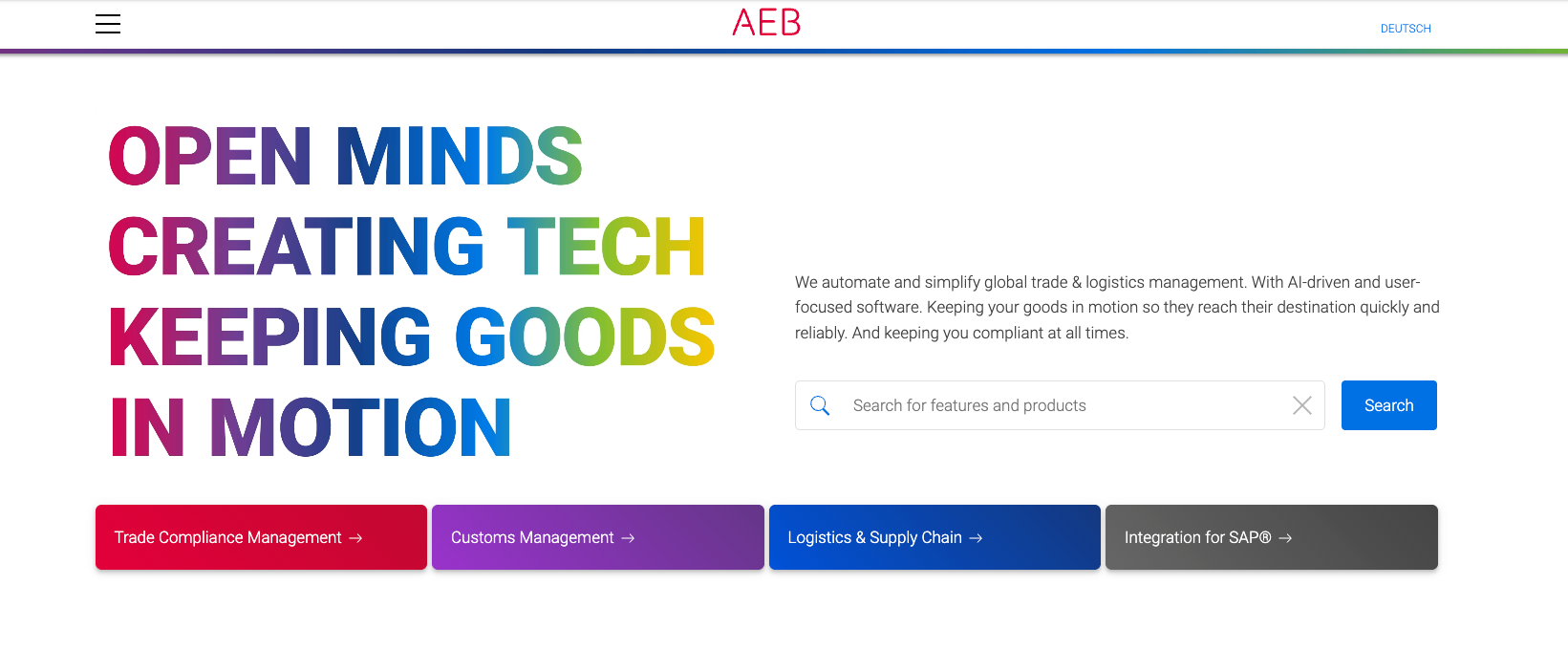
AEB is a German software company founded in 1979 in Stuttgart, serving over 7,000 customers across 80 countries with 600+ employees. It is the other genuine suite answer in this lineup, with customs and global trade at the centre where Generix has commerce and EDI.
Strengths:
- Deep customs and global trade compliance, built over four decades and genuinely hard to replicate.
- Leading position among DACH shipper TMS platforms, with the local presence and references that implies.
- Broad supply chain suite, so the one-vendor logic that attracted you to Generix still applies.
- Strong fit for multinationals with complex import and export obligations across many jurisdictions.
Shortcomings:
- The customs depth is the value case, so a shipper without complex customs exposure pays for capability that will sit unused.
- DACH-centred, with Romania served through partners rather than directly.
- Enterprise quote and field sales, with no published pricing.
- Founded on customs rather than transport, which is worth probing if transport execution is your primary requirement.
How Does AEB Compare to Generix TMS?
Two suites, two different centres of gravity. Generix leans commerce, EDI and warehouse. AEB leans customs and global trade. A shipper choosing between them should decide which of those two problems is the expensive one, because both will handle transport competently.
MyTower: Best Generix TMS Competitor for Trade and Transport in One Platform
MyTower is a French platform founded in 2010, backed by Verto Growth and operating at around 300 employees following its acquisitions. It has been the most aggressive consolidator in European supply chain software recently, with three acquisitions announced in April 2026, and it competes with Generix on home ground.
Strengths:
- Combines transport and international trade operations, which suits shippers whose complexity is as much customs and documentation as it is freight.
- Strong France, Iberia and Italy coverage, overlapping directly with Generix's core territory.
- Actively investing and expanding, with fresh capital and an acquisition programme behind it.
- Enterprise-grade capability with a French support and delivery organisation.
Shortcomings:
- Integrating three acquisitions announced in April 2026 means the product roadmap is in motion, and it is fair to ask how the pieces fit.
- No announced CEE plans, so a Romanian or Central European entity has no local roadmap to point at.
- Enterprise quote and field sales, with no published pricing.
- Weighted towards larger operations, so a mid-market shipper may find the engagement model heavy.
How Does MyTower Compare to Generix TMS?
The most like-for-like French comparison in this lineup. Both are Paris-region platforms selling transport inside a wider operations suite to the same buyers. The practical differences are portfolio composition, where Generix has warehouse and commerce and MyTower has trade, and organisational stability, where Generix is further past its acquisition wave.
Akanea: Check Which Side of the Transaction It Was Built For

Akanea has been in the French market since 1983 and equips more than 700 companies from small operators to large enterprises, with offices in Toulouse, Marseille, Lorient and Reims. Its TMS All Roads product is capable and well established, and it appears on shipper shortlists more often than its design would suggest.
Strengths:
- Long-established French vendor with deep domestic road transport knowledge.
- Functionally rich, covering e-CMR, mobility, operational planning, mapping and on-board computing.
- Well connected to the surrounding ecosystem including EDI, freight exchanges, document management and accounting.
- A shipper station module extends the system towards order givers, so shipper use is supported.
Shortcomings:
- The product is built primarily for carriers and freight forwarders. A shipper is working through an extranet extension rather than a platform designed around their workflow.
- French market focus, with limited reach into CEE.
- Pricing is usage and option dependent. Directory listings on Appvizer describe a Starter version and a short free trial, though these are third-party figures and should be confirmed directly.
How Does Akanea Compare to Generix TMS?
Generix DDS TMS is built for shippers. Akanea's core product is built for the companies moving the goods. Both are competent French platforms, and the question for a shipper is not which is better software but which one was designed around the job you are doing.
Transporeon: Best Generix TMS Competitor for Carrier Network Scale
Transporeon, acquired by Trimble in 2023 for €1.88 billion, runs one of the largest carrier networks in Europe alongside tender management and real-time visibility. It shows up whenever the deciding factor is access to capacity rather than internal process.
Strengths:
- Very large European carrier network, which is the reason most shippers choose it.
- Mature tender management and freight procurement at scale.
- Has an e-CMR product, so digital consignment notes are covered.
- Widely deployed at group level across European manufacturing, with the integration precedent that brings.
Shortcomings:
- Implementation runs in months, and the buying motion is enterprise field sales.
- The common pattern in Central and Eastern Europe is a group rollout that never reaches the local entity, leaving that team on spreadsheets.
- Romanian e-Transport is not presented as a capability on its public pages, so scope and cost need confirming in writing during procurement.
- Sized and priced for large operations, which makes it a difficult fit below a few hundred transports a month.
How Does Transporeon Compare to Generix TMS?
Different products aimed at the same buyer. Transporeon sells access to a carrier network with software around it. Generix sells software with carrier collaboration inside it. If your constraint is finding trucks, Transporeon. If your constraint is running your own operation, Generix.
What's the Best Generix TMS Competitor for You?
Stay with Generix if you want warehouse, transport, EDI and invoicing from one vendor, your footprint is France, Iberia or Italy, and carbon reporting is part of the requirement. That combination is what the product is for, and no focused alternative will match it.
Choose Deliwell if road freight is the whole problem, you have a Romanian or wider CEE entity where e-Transport and e-CMR have to work, and you want to be live in days rather than quarters. Accept that you are giving up carbon reporting and multimodal depth to get that.
Choose Cargoson if you want a focused transport platform and you want to build the business case before you speak to anyone. The published pricing and included CO₂ reporting from Standard make it the most straightforward evaluation in this lineup.
Choose Bluerock TMS if you want Generix-level transport depth without the surrounding suite, and your operation is large enough to sit comfortably at the enterprise end.
Choose AEB if the expensive part of your supply chain is customs rather than freight.
Choose MyTower if you are French or Southern European and trade documentation matters as much as transport execution.
Look again at Akanea only after confirming the shipper extranet does what you need, because the core product was built for the other side of the transaction.
And if the honest answer is that transport is still coordinated across spreadsheets, an email chain and a WhatsApp group, then the module count is not the decision in front of you. Getting the transport data into one place is, and any of the focused platforms here will do that faster than a suite will.
Not sure whether you need the suite or the module? Bring your scope to a demo and Deliwell will tell you plainly, including when the answer is to stay with Generix. Book a demo.
FAQ
Is Generix a TMS company?
Generix is a supply chain and business software company that includes a TMS among more than twenty modules. It was founded in Lille in 1990 as an ERP vendor and has grown largely by acquisition. Its transport product, Generix DDS TMS, came in with the acquisition of DDS in 2023. Generix was recognised in the 2025 Gartner Europe Context Magic Quadrant for TMS and placed in the 2026 Magic Quadrant for WMS.
What is the best Generix alternative for a mid-market shipper?
It depends which part of Generix attracted you. For focused road freight with published pricing, Cargoson. For CEE road freight with native Romanian compliance and go-live in days, Deliwell. For the suite logic with customs instead of commerce, AEB. Mid-market teams evaluating Generix most often find the mismatch is scope rather than capability.
Does Generix TMS handle Romanian e-Transport?
RO e-Transport is not presented as a TMS capability on Generix's public pages. Generix does have a Romanian R&D centre in Cluj-Napoca opened in 2020, and it publishes substantial e-invoicing compliance material including an interactive global tax-reform map, so the compliance competence exists at company level. A Romanian entity should get the e-Transport scope confirmed in writing rather than inferred.
How much does Generix TMS cost?
Generix does not publish pricing for its TMS. The site runs a contact-an-expert motion throughout, so cost is established in a sales conversation. Among the alternatives here, Cargoson publishes full tier pricing from $199 a month and Deliwell publishes a starting figure of €250 a month.
Is Generix better than Transporeon?
They solve different problems. Transporeon's asset is one of the largest carrier networks in Europe, so it wins where access to capacity is the constraint. Generix is software you run your own operation in, with warehouse, EDI and commerce alongside. A shipper struggling to source trucks and a shipper struggling to coordinate internally should reach different conclusions.
Which Generix alternatives include carbon and CSRD reporting?
Cargoson includes CO₂ reporting from its Standard tier. Bluerock TMS positions emissions reduction through route and load optimisation as a core capability. Deliwell does not offer carbon reporting today. If CSRD is driving the project, that narrows the list considerably and is worth establishing in the first call.
Case studies


Sonepar Romania centralises transport reporting and cost control with Deliwell

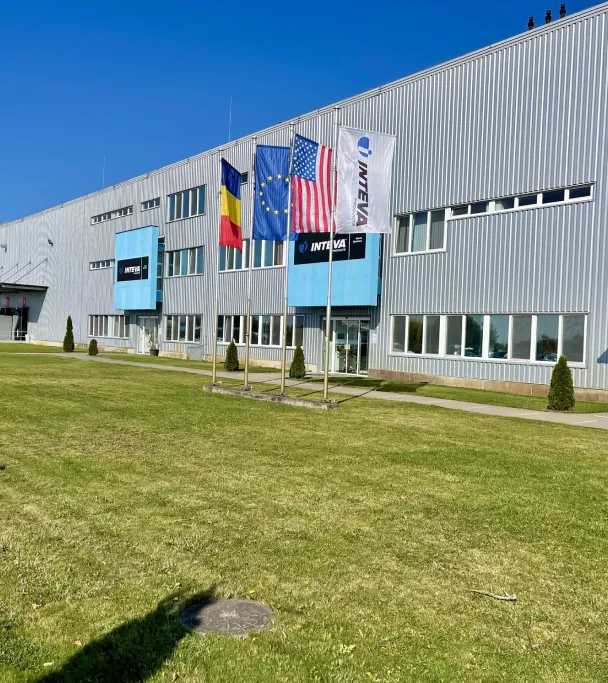

Inteva gains full transport visibility and eliminates manual work with Deliwell

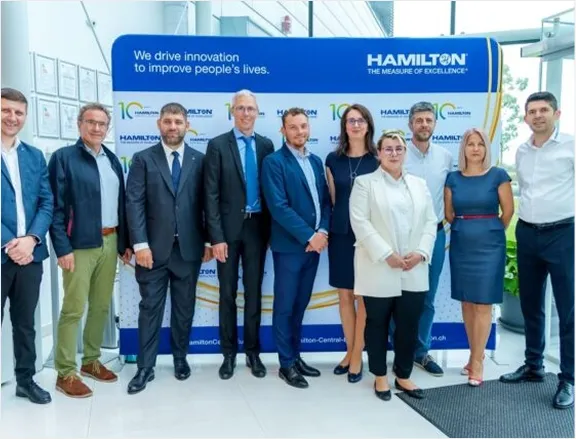

Hamilton Central Europe reduced transports costs by 15% by replacing their old TMS with Deliwell
